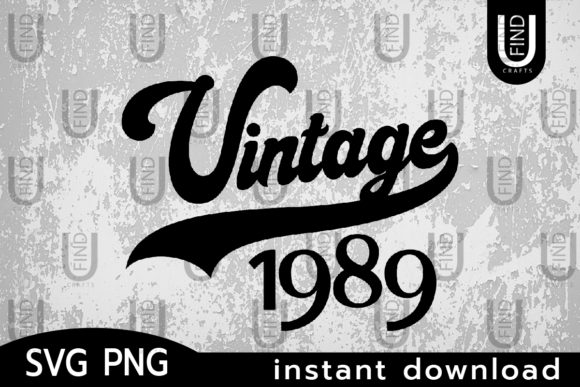
Vintage 1989 Embroidery Design
As a designer and embroidery product reviewer, I’ve evaluated countless machine embroidery designs. Vintage 1989 stands out for its nostalgic charm and versatility in real-world projects. Whether you're creating custom apparel, personalized gifts, or small business merchandise, this design offers a retro aesthetic that feels both timeless and modern. Let’s dive into how it performs in practical use and where it truly shines.
The First Impression: A Nostalgic Visual Statement
Vintage 1989 immediately evokes a sense of nostalgia. The design features clean lines, subtle textures, and a retro layout that feels like it could have been pulled from a vintage poster or album cover. It’s not overly complex, but the details—like the aged paper effect or faded typography—add depth without overwhelming the eye. This makes it ideal for projects that require a touch of character without being too busy.
The balance between simplicity and visual interest is key here. It works well as an applique design or a satin stitch piece, depending on your fabric choice and project type. The layout suggests it was designed with a specific purpose in mind, likely for items like tote bags, sweatshirts, or baby clothes where a subtle yet memorable design is essential.
Real-World Use Cases: Where Vintage 1989 Excels
One of the first projects I thought of was a custom embroidered tote bag for a boutique shop. Vintage 1989 would look great on a light-colored canvas tote, adding a unique, handcrafted feel that appeals to customers looking for something different. It also fits well with holiday-themed products, such as Christmas gift tags, aprons, or even personalized kitchen towels.
For baby items, the design’s soft edges and vintage vibe make it a good fit for onesies, burp cloths, or nursery decor. It’s not too bold, which is important for delicate fabrics and sensitive eyes. As an embroidered patch, it could be used on backpacks, jackets, or even as a badge for a craft fair booth.
On sweatshirts or t-shirts, the design maintains clarity without appearing too dense. It’s perfect for small businesses looking to add a vintage flair to their branding. Etsy sellers and handmade shop owners will appreciate its adaptability across multiple product types, from printable mockups to finished products.
Where to Be Cautious: Limitations and Considerations
While Vintage 1989 is versatile, there are some situations where it may not perform as well. For instance, on small hoop sizes, the design might require careful placement to avoid distortion. If you’re working with textured fabrics or thin materials, the stitch density could cause puckering or visibility issues.
On dark fabrics, the design’s contrast may need adjustment. Depending on the thread colors chosen, it might not stand out as clearly as intended. Similarly, on stretchy or curved surfaces like caps, the design could lose some of its sharpness if not stabilized properly.
For projects that involve frequent washing, such as baby clothes or kitchen towels, it’s important to ensure the design is securely stitched and uses the right stabilizer. Tiny lettering or intricate corners may require extra attention to maintain clarity after stitching.
Impact on Visual Appeal and Customer Perception
Vintage 1989 adds a layer of personality to any project. Its retro style can elevate a simple tote bag into a standout item, making it more appealing to buyers who value uniqueness. For small shop products or Etsy listings, this design can help differentiate your offerings from mass-produced alternatives.
When used in commercial embroidery projects, it contributes to a professional appearance. The design’s clean lines and balanced composition make it suitable for branded merchandise, ensuring consistency across your product line. As a personalized gift, it offers a meaningful touch that resonates with recipients looking for something special.
From a buyer engagement perspective, the design’s nostalgic appeal can spark conversation and create a stronger emotional connection. Whether it’s a birthday gift, a holiday ornament, or a custom piece for a client, Vintage 1989 has the potential to enhance the overall experience of the finished product.
Practical Designer Notes: Testing and Preparation
Before using Vintage 1989 in a production run or client project, I recommend testing it on scrap fabric. This helps identify any issues with stitch density, stabilizer needs, or fabric compatibility. Check how the design looks in black and white mockups to ensure it retains its visual appeal without color.
Compare the design on light and dark fabric backgrounds to determine the best thread color combinations. If you’re using it for both personal and commercial projects, confirm the licensing terms to avoid any legal issues. Proper stabilizer use is crucial, especially for delicate or stretchy materials.
Inspect small details closely, such as lettering or decorative elements, to ensure they remain clear after stitching. For layered garments or curved surfaces, consider adjusting the design or using a different stitching technique to maintain quality.
Final Thoughts: A Versatile Design with Timeless Appeal
Vintage 1989 is more than just a retro graphic—it’s a functional embroidery design that can enhance a wide range of projects. Its clean layout, nostalgic feel, and adaptability make it a valuable addition to any designer’s toolkit. Whether you’re creating custom apparel, personalized gifts, or small business merchandise, this design offers a fresh, creative option that can set your work apart.
With proper preparation and thoughtful application, Vintage 1989 can become a staple in your collection of machine embroidery designs. It’s a great example of how a well-crafted digital file can translate into a high-quality, visually appealing finished product that meets the needs of both creators and customers alike.