Vintage 1998 Embroidery Design
As a designer and embroidery product reviewer, I’ve evaluated countless machine embroidery designs over the years. Vintage 1998 stands out as a retro-inspired SVG and PNG file that could work well in the right context. But like any design, it’s not one-size-fits-all. Let me walk through how this design performs in real-world embroidery projects and what to consider before using it in your own work.
The First Impression: A Nostalgic Visual
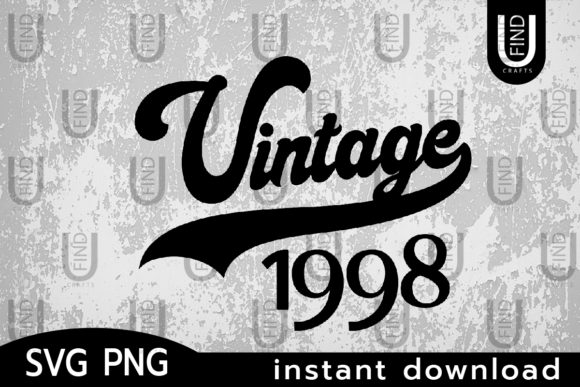
Vintage 1998 immediately evokes a sense of nostalgia. The design features a retro aesthetic with clean lines, subtle texture, and a vintage color palette that feels timeless. It’s not overly complex, but it has enough detail to make an impact without being overwhelming. The layout is balanced, making it suitable for a variety of applications—from apparel to home decor.
The theme is clear: a celebration of the year 1998, which could be used for birthdays, anniversaries, or just as a nostalgic piece. The design’s visual personality leans toward simplicity with a touch of character, making it ideal for handmade products that aim to feel authentic and personal.
Real-World Use Cases: Where Does Vintage 1998 Fit?
Imagine you’re preparing a custom embroidered tote bag for a client who wants something unique and meaningful. Vintage 1998 could be a great fit. Its size and detail level make it suitable for a medium-sized hoop, and the design doesn’t require too many colors to come to life. It would look good on a cotton tote, a sweatshirt, or even a baby onesie.
It also works well as an embroidered patch. The design isn’t too intricate, so it should stitch up cleanly without requiring excessive stabilizer or careful hooping. For a small shop product or an Etsy listing, Vintage 1998 could serve as a strong visual anchor, especially if paired with other retro-themed items.
If you’re creating holiday gifts or personalized items, this design could add a special touch. It’s versatile enough to work on a pillow cover, a tea towel, or even a cap. However, keep in mind that its style is more subdued, so it may not stand out as much on darker fabrics or in high-contrast environments.
Performance in Different Embroidery Situations
Vintage 1998 performs well on flat, smooth fabrics like cotton, canvas, or light-weight denim. It’s not ideal for textured or stretchy materials where the stitches might not lay flat. On thin or dark fabric, the design may require careful thread color selection to ensure visibility and clarity.
When it comes to small hoop sizes, this design could be challenging. If you’re working with a limited hoop space, you may need to adjust the design or break it into sections. Similarly, curved surfaces like caps or hats might require some extra care to ensure the design sits properly without distortion.
For dense stitch areas, the design is manageable, but you’ll want to check the stitch density to avoid puckering or uneven stitching. If you’re planning to use it as an applique design, make sure the edges are clean and the overall structure is stable enough for layering.
Where to Be Cautious: Limitations and Considerations
Vintage 1998 isn’t the best choice for detailed corners or tiny lettering. If the design includes text, ensure it’s large enough to be legible when stitched. On layered garments or products that will be washed frequently, the design may lose some of its crispness over time, especially if the fabric or thread isn’t high quality.
For commercial embroidery projects, it’s important to confirm the licensing terms before selling finished products or digital files. Even though the design is a digital download with no watermarks, you’ll want to double-check the usage rights to avoid any legal issues.
Impact on Visual Appeal and Customer Perception
When used correctly, Vintage 1998 can enhance the visual appeal of a handmade product. Its retro style adds character and can help differentiate your offerings in a crowded market. Customers often respond positively to nostalgic designs, especially when they’re looking for personalized gifts or unique merchandise.
However, the design’s simplicity means it may not add much value to high-end or luxury products. It’s better suited for casual, everyday items that emphasize charm over complexity. For a small business or craft seller, this design could be a reliable addition to your inventory, especially if you’re targeting a niche audience that appreciates vintage aesthetics.
Practical Designer Notes: What to Test Before Using
Before committing to a project, always test Vintage 1998 on scrap fabric. This will help you see how the design looks in real life and whether it meets your expectations. Check the contrast between the thread colors and the fabric to ensure visibility and clarity.
Review the stitch density and make sure it aligns with the fabric you’re using. Confirm the hoop size required for the design and adjust your machine settings accordingly. Inspect small details closely—especially if there are any text elements or fine lines that could be lost during stitching.
Test the design in black and white mockups to see how it looks without color. Compare it against both light and dark fabric backgrounds to determine the best application. Use the proper stabilizer for the fabric type, and ensure the design is compatible with your embroidery machine and software.
Finally, if you plan to sell finished items or digital products, confirm the licensing terms. Even though the design is a digital download, you don’t want to risk any issues down the line.
Final Thoughts: Is Vintage 1998 Worth It?
Vintage 1998 is a solid choice for designers and crafters looking for a retro-inspired embroidery design. It’s practical, easy to work with, and fits well in a range of projects. However, it’s not a one-size-fits-all solution. Its success depends on how you use it, the fabric you choose, and the context of your project.
If you’re aiming for a handmade product with a nostalgic vibe, this design could be a valuable addition to your collection. Just remember to test it thoroughly and consider its limitations before finalizing your work. With the right approach, Vintage 1998 can become a trusted part of your embroidery toolkit.