Vintage 1994 Embroidery Design
As a designer and embroidery product reviewer, I’ve evaluated countless machine embroidery designs over the years. Vintage 1994 stands out for its nostalgic appeal and versatility in real-world projects. Whether you’re working on custom apparel, personalized gifts, or small business merchandise, this design has potential—but it’s not without its considerations.
First Impressions: A Nostalgic Visual Statement
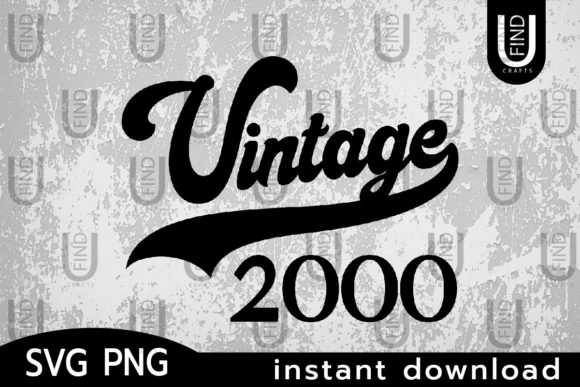
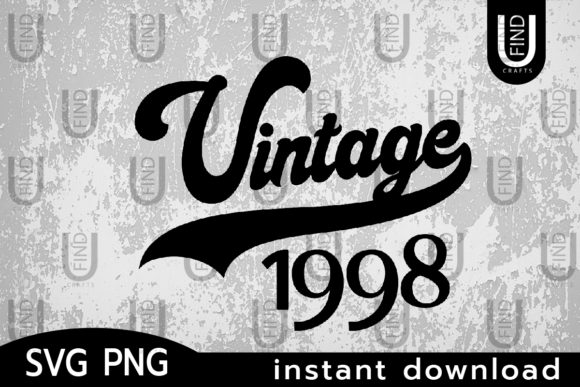
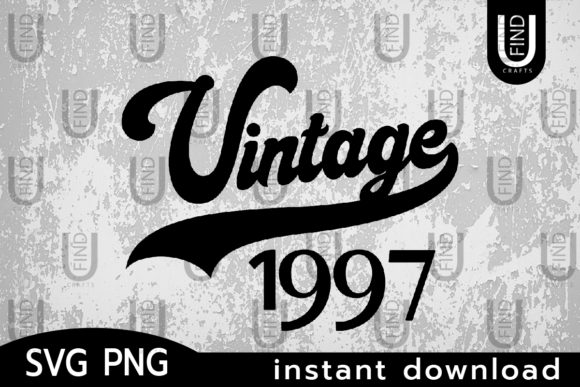
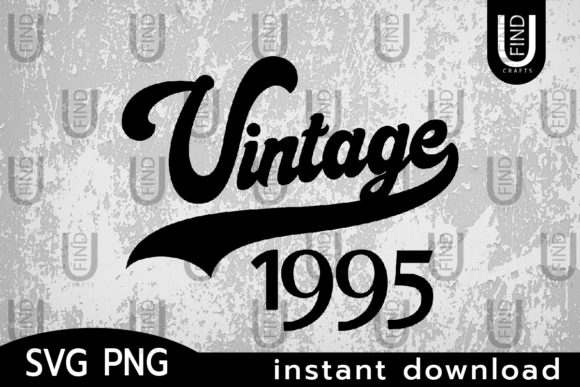
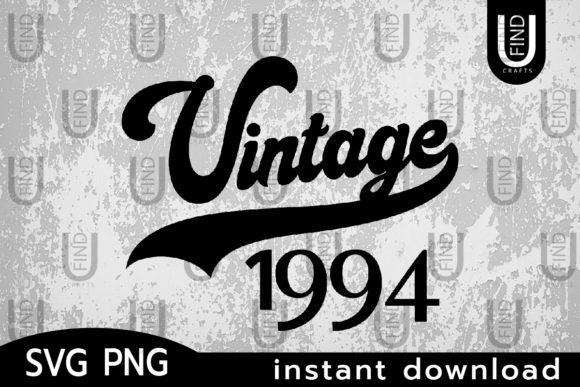
Vintage 1994 immediately evokes a sense of retro charm. The design features clean lines, a vintage font, and a timeless layout that feels at home on anything from a tote bag to a baby onesie. It’s not overly complex, but it carries enough detail to make an impact without overwhelming the fabric. The retro aesthetic suggests a connection to past eras, making it ideal for holiday gifts, birthday celebrations, or themed apparel.
The SVG and PNG files provided are straightforward, with no watermarks. This makes it easy to integrate into your workflow, whether you’re preparing a printable mockup or setting up an embroidery file for a client. However, as with any digital embroidery file, the quality of the final stitched result depends heavily on how you adapt it to your specific project.
Real-World Use Cases: Where Vintage 1994 Shines
This design works well on larger, flat surfaces like tote bags, sweatshirts, and aprons. Its size and structure allow for clear stitching without excessive density. For example, using it on a cotton tote bag would create a bold, eye-catching statement that’s perfect for a craft fair booth or an Etsy listing. The design also lends itself to embroidered patches, where its simplicity can be highlighted without becoming lost in the fabric texture.
For baby items, Vintage 1994 could be a great fit—especially if you’re aiming for a vintage-inspired nursery decor piece or a personalized onesie. The design’s clarity ensures that even small details, like the year “1994,” remain visible after stitching. It’s also suitable for holiday-themed projects, such as embroidered tea towels or pillow covers for a rustic Christmas vibe.
Where to Be Cautious: Limitations and Challenges
While Vintage 1994 is visually appealing, it’s important to consider its limitations. On smaller hoop sizes, the design may feel cramped, especially if you’re trying to stitch it on a cap or a hat. The corners and edges might not come out as crisp due to the machine’s movement constraints. Similarly, on textured or stretchy fabrics, the design could lose some of its definition, particularly if the stabilizer isn’t properly applied.
Thin or dark fabrics also pose challenges. If you’re planning to use this design on a black t-shirt or a delicate knit, you’ll need to ensure that the thread color contrasts sufficiently. Otherwise, the embroidery might blend in rather than stand out. Additionally, if the design includes tiny lettering or intricate details, you should test it on scrap fabric first to confirm that the stitch density is appropriate.
Stitching Clarity and Visual Appeal
Vintage 1994 performs best when used with a moderate stitch density. Too much density could cause the design to look muddy, while too little might result in a sparse appearance. Balancing this is key, especially if you’re using it for commercial embroidery projects or handmade products that need to maintain a professional look.
When it comes to visual appeal, the design offers a strong presence without being overpowering. It’s ideal for brands looking to incorporate a vintage theme into their product line, as it adds character without requiring a complete overhaul of the design style. For Etsy sellers or small shop owners, this could be a valuable addition to a collection of printable mockups or digital embroidery files.
Practical Designer Notes: Testing and Preparation
Before committing to a full project, I always recommend testing the design on scrap fabric. This allows you to see how the stitches interact with different materials and adjust settings accordingly. Pay close attention to the thread colors you choose—especially if you’re working with light or dark backgrounds.
Check the hoop size required for the design. If it’s too large for your machine, you may need to break it into sections or adjust the layout. Also, inspect the design for any areas that might require extra stabilizer, particularly if you’re working with thin or stretchy fabrics.
Lastly, make sure the design aligns with your licensing terms if you plan to sell finished products or digital files. Even though Vintage 1994 is a digital download, it’s essential to verify that it’s suitable for commercial use before proceeding.
Final Thoughts: A Versatile Design with Room for Growth
Vintage 1994 is a solid choice for designers looking to add a retro flair to their work. Its clean layout and nostalgic feel make it adaptable to a wide range of projects, from custom apparel to personalized gifts. However, its success ultimately depends on how well it’s tailored to the specific fabric, hoop size, and stitching technique used.
If you’re an embroidery designer, small business owner, or craft entrepreneur, this design could be a useful asset in your toolkit. Just remember to test it thoroughly and consider the practical aspects of each project before moving forward. With the right approach, Vintage 1994 can become a standout element in your handmade products or commercial embroidery work.