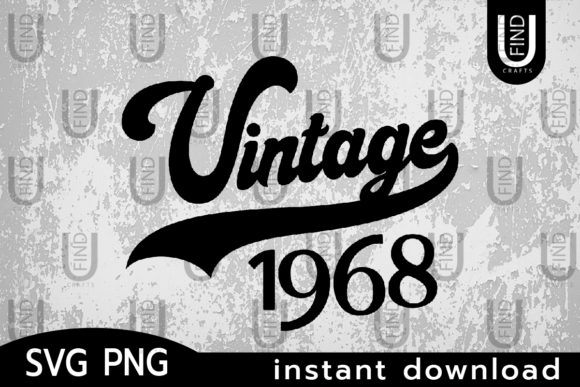
Vintage 1968 Embroidery Design
The Vintage 1968 embroidery design offers a nostalgic aesthetic that could work well in a range of handmade and commercial projects. Its retro feel, combined with clean lines and a vintage layout, makes it a strong candidate for custom apparel, personalized gifts, and boutique merchandise. But like any design, its success depends on how it's applied and the context in which it's used.
First Impressions: A Nostalgic Visual Statement
Vintage 1968 immediately evokes a sense of timelessness. The design features a bold, stylized number "1968" with a retro font that feels both playful and sophisticated. It’s not overly complex, but the balance between negative space and detail gives it a polished look. The layout is straightforward, making it adaptable to different formats—whether as a standalone emblem or part of a larger composition.
This design would fit naturally into a project that leans into vintage themes, such as a retro-themed tote bag, a baby onesie with a timeless feel, or a patch for a denim jacket. Its simplicity also means it can be paired with other elements without overwhelming the overall look.
Real-World Use Cases: Where Does Vintage 1968 Shine?
For an embroidery designer working on custom apparel, Vintage 1968 could serve as a standout feature on sweatshirts, t-shirts, or caps. Its size and shape make it ideal for mid-sized hooping, allowing for clear stitching without overcomplicating the process. On a tote bag, it could act as a focal point, adding character to a simple canvas or cotton fabric.
It also works well as an embroidered patch, especially for items like jackets, backpacks, or aprons. The design’s clarity makes it suitable for both machine embroidery and hand-stitching, though the latter would require more attention to detail. For small business owners, this could be a valuable addition to an Etsy shop or craft fair booth, offering a unique, customizable product that appeals to collectors and nostalgia lovers.
Challenges and Considerations: When to Be Cautious
While Vintage 1968 has a lot to offer, there are situations where it may not perform as well. On smaller hoop sizes, the design might feel cramped, especially if the details are too fine. This could lead to issues with stitch density or legibility, particularly if the user isn’t careful with placement.
On textured or stretchy fabrics, the design may not sit as smoothly as expected. Thick or uneven surfaces can affect how the stitches lay, potentially causing the design to look less crisp. Similarly, on dark fabrics, the contrast between the thread and background may need adjustment to ensure visibility.
For projects that require frequent washing, such as baby clothes or kitchen towels, the durability of the design becomes a concern. Proper stabilizer use and appropriate thread colors are essential to prevent fading or distortion over time.
Visual Appeal and Customer Perception
Vintage 1968 has a strong visual appeal when executed correctly. Its retro vibe can enhance the perceived value of a handmade product, making it more attractive to buyers looking for unique, personalized items. In a commercial setting, it can add a professional touch to branded merchandise, helping to establish a cohesive brand identity.
For an Etsy seller or small shop owner, the design’s versatility allows it to be used across multiple product types—tote bags, sweatshirts, baby items, and more. This flexibility can help increase sales by appealing to a broader audience. However, it’s important to present the design in a way that highlights its strengths while addressing potential limitations.
Practical Tips for Embroidery Designers
Before committing to a project, test Vintage 1968 on scrap fabric to see how it looks in real life. Pay close attention to how the stitches interact with the material and whether the design maintains its intended shape and detail. Check the thread color contrast against the fabric to avoid dull or washed-out results.
Review the stitch density to ensure it’s suitable for the project at hand. If the design is too dense, it may cause puckering or stiffness, especially on thinner or stretchy fabrics. Confirm the hoop size required for the design to avoid unnecessary adjustments during the embroidery process.
Inspect small details like corners and lettering to ensure they’re sharp and consistent. Test the design in black and white mockups to see how it translates to different backgrounds. This can help identify any issues before moving forward with a final product.
Commercial and Personal Use: What You Need to Know
Vintage 1968 can be used for both personal and commercial projects, provided the licensing terms allow for it. Always check the specific usage rights before selling finished items or digital products. For a craft business, this design can be a valuable asset, especially if it aligns with the brand’s aesthetic and target audience.
As a digital embroidery file, it’s easy to integrate into printable mockups or digital product previews. This makes it a useful tool for designers who want to showcase their work before production. Whether used for a handmade gift or a boutique product, the design’s retro charm can add a unique touch that sets it apart from mass-produced alternatives.
Final Thoughts: A Versatile Yet Thoughtful Choice
Vintage 1968 is a design that offers both style and functionality, but it requires thoughtful application to reach its full potential. Its retro aesthetic makes it a great fit for a variety of projects, from custom apparel to personalized gifts. However, its performance depends on factors like fabric type, hoop size, and stitch execution.
For embroidery designers and small business owners, this design can be a valuable addition to their collection—if used with care and consideration. By testing it thoroughly and understanding its strengths and limitations, users can ensure that Vintage 1968 enhances their work rather than complicates it.