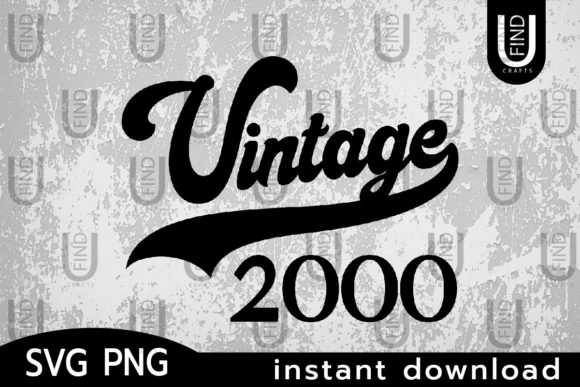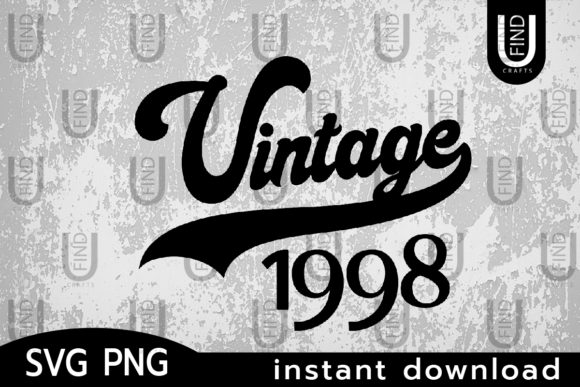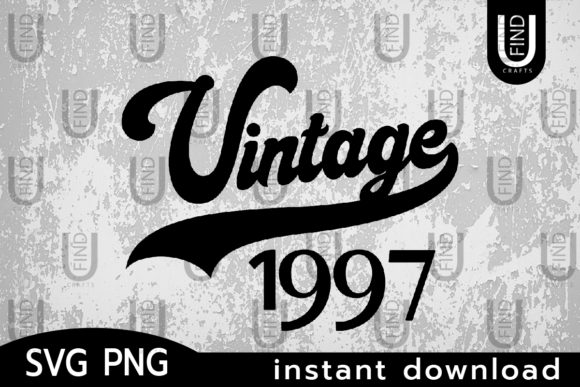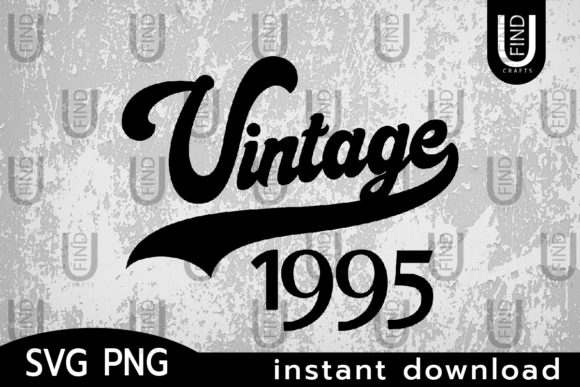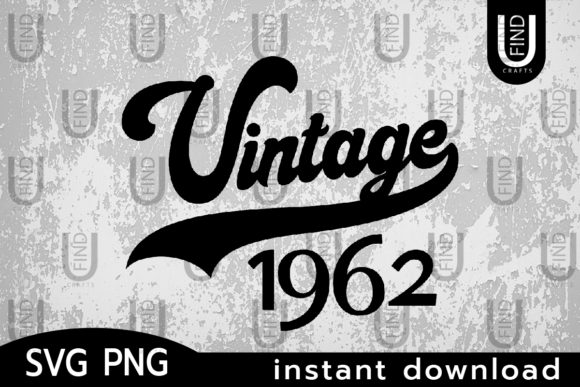
Vintage 1962 Embroidery Design
As a designer and embroidery product reviewer, I’ve evaluated countless machine embroidery designs. Vintage 1962 stands out for its nostalgic charm and versatility. It’s a retro-inspired design that feels like a throwback to the golden era of craftsmanship. The style is clean, classic, and instantly recognizable—perfect for a wide range of projects.
The First Impression: Nostalgia Meets Simplicity
Vintage 1962 immediately evokes a sense of timelessness. The layout is balanced, with a central motif that’s both eye-catching and elegant. The design features subtle detailing that suggests a handcrafted aesthetic, making it ideal for handmade products or personalized gifts. It doesn’t overwhelm the viewer but instead invites them to look closer, which is a strong trait for any embroidery file.
The theme is straightforward—birthday, vintage, and retro. This makes it a great fit for custom apparel, baby items, or holiday decorations. Its simplicity allows it to work well in various color schemes, and the SVG and PNG files provided offer flexibility for different applications.
Real-World Use Cases: Where Vintage 1962 Shines
Imagine you’re preparing a custom embroidered tote bag for a client who wants something unique. Vintage 1962 would be an excellent choice. It adds a touch of personality without being too flashy. The design would look great on a cotton tote, especially if paired with a complementary thread color.
For sweatshirt embroidery, the design works well on light-colored fabrics. It’s not overly dense, so it won’t add unnecessary bulk. On a baby onesie, it could serve as a sweet, understated detail that parents would appreciate. For an apron or kitchen towel, it brings a warm, homey feel that fits perfectly in a rustic or vintage-themed kitchen.
It also has potential for holiday or wedding gifts. A personalized pillow cover with Vintage 1962 could be a thoughtful, handmade present. As a patch, it would look great on a jacket or backpack, adding a subtle yet stylish element.
Where to Be Cautious: Limitations and Considerations
While Vintage 1962 is versatile, there are situations where it might not perform as well. On small hoop sizes, the design could feel cramped, especially if the details are intricate. If you’re working with textured fabrics or thin materials, the stitching might not show up as clearly as desired.
On dark fabrics, the design may require a contrasting thread color to stand out. Similarly, on stretchy or curved surfaces like caps, the design might need extra stabilizer to prevent distortion. Tiny lettering or detailed corners could be challenging if the stitch density is too high or the fabric isn’t suitable.
For commercial embroidery projects, it’s important to test the design on different materials and confirm that it meets your quality standards. If you’re selling finished products, make sure you understand the licensing terms before using Vintage 1962 in your shop.
Impact on Visual Appeal and Customer Perception
Vintage 1962 enhances the visual appeal of any project it’s used on. Its clean lines and retro vibe give a sense of authenticity that customers often find appealing. When used in a handmade product, it adds a level of craftsmanship that can increase perceived value.
For Etsy sellers or small shop owners, this design can help build brand consistency. It’s a reliable choice for printable mockups, digital product previews, or craft fair displays. Customers who see it on a tote bag or apron might associate it with quality, nostalgia, and attention to detail.
When used in personalized gifts, it creates a connection between the giver and the recipient. The design’s timeless nature makes it more likely to be cherished and remembered, which is a big plus for giftability and customer satisfaction.
Practical Designer Notes: Testing and Preparation
Before using Vintage 1962 in a real project, I recommend testing it on scrap fabric. This helps you see how the stitches look on different materials and identify any issues early. Check the thread color contrast—especially if you’re using dark fabrics—and review the stitch density to ensure it’s appropriate for your project.
Confirm the hoop size required for the design. If it’s larger than your standard hoops, you may need to adjust your workflow or split the design into sections. Inspect small details closely, as some elements might not translate well to certain fabrics or embroidery machines.
Test the design in black and white mockups to see how it looks without color. Compare it on light and dark backgrounds to ensure it remains visible and legible. Always use the right stabilizer for the fabric you’re working with, and check whether the design works for both personal and commercial use.
Lastly, verify the licensing terms before selling finished items or digital products. Even though Vintage 1962 is a digital download with no watermarks, it’s always good to double-check what you’re allowed to do with the design.
Final Thoughts: A Reliable Choice for Creative Projects
Vintage 1962 is a solid addition to any embroidery designer’s toolkit. It’s practical, adaptable, and visually appealing. Whether you’re creating custom apparel, baby items, or boutique merchandise, this design offers a balance of style and usability.
Its retro aesthetic makes it a great fit for crafts, graphics, and small business products. With careful testing and consideration, it can elevate your work and help you deliver high-quality, handmade products that customers will love.