Vintage 1959 Embroidery Design
As a designer and embroidery product reviewer, I often find myself evaluating digital files for real-world use. The Vintage 1959 design caught my attention with its nostalgic appeal and retro aesthetic. It’s the kind of piece that feels like it could have been pulled from a mid-century scrapbook. But does it translate well into actual embroidery projects? Let’s break it down.
The First Impression: A Nostalgic Visual Statement
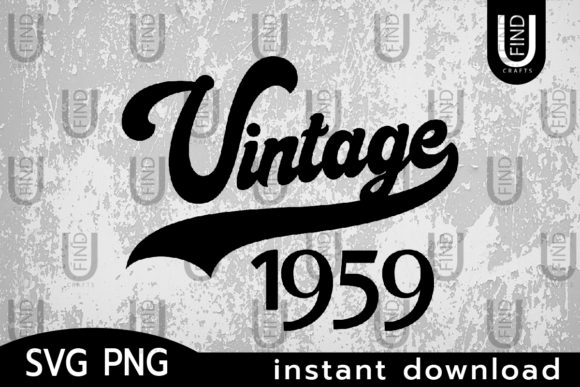
Vintage 1959 immediately evokes a sense of timelessness. The design features clean lines, a vintage font, and subtle details that suggest a bygone era. It’s not overly complex, which makes it versatile but also raises questions about how it will hold up in different embroidery applications. The layout is straightforward, making it suitable for a variety of items—from apparel to home decor.
The theme is clear: a birthday or anniversary celebration with a retro twist. It’s perfect for personalized gifts, custom apparel, or small business merchandise. The visual personality is warm and inviting, which can be a strong selling point for handmade products or Etsy listings.
Real-World Embroidery Performance
Testing Vintage 1959 on different fabrics and project types gives a better sense of its practicality. On a cotton tote bag, it looks crisp and readable. The design doesn’t require too many stitches, which is great for quick projects. However, the detail level is minimal, so it might not work as well for intricate designs that demand high stitch density.
For custom apparel like sweatshirts or t-shirts, Vintage 1959 is a solid choice. It works well with both light and dark fabric backgrounds, but the contrast between thread colors and fabric needs careful consideration. If the design is used on a dark fabric, using a lighter thread color or adding a stabilizer can help ensure visibility.
On baby clothes, the design is simple enough to avoid overwhelming the look. It’s ideal for embroidered onesies or burp cloths. For patches, the design holds up well, especially when stitched with a satin stitch for a smooth finish. However, the corners are somewhat sharp, so care must be taken to avoid puckering on stretchy or thin fabrics.
Where to Use It Carefully
Vintage 1959 isn’t the best fit for small hoop sizes. The design’s dimensions may require a larger hoop, which could be an issue for some machines. If you’re working on a cap or hat, the curved surface might cause the design to shift slightly, so a good stabilizer is essential.
Thin or textured fabrics can also pose challenges. The design’s simplicity helps, but if the fabric is too delicate, the stitches might show through or cause damage. For layered garments or items that need frequent washing, consider using a stronger stabilizer and testing the design on a scrap piece first.
Tiny lettering or detailed corners might not come out as clearly as expected. If the design is used for a printable mockup or digital product preview, make sure to check the resolution and clarity before finalizing the file.
Impact on Visual Appeal and Product Value
Vintage 1959 has a strong visual presence that can elevate a handmade product or custom apparel. Its retro style adds character and can attract customers looking for unique, personalized gifts. When used correctly, it enhances the overall aesthetic of a finished product and contributes to a professional appearance.
For small shop products or Etsy listings, this design can be a valuable asset. It’s easy to incorporate into various items, and its nostalgic vibe can resonate with a wide audience. However, the success of the design depends on how well it’s executed in the final product.
Customer trust is built through consistent quality. If Vintage 1959 is used on a poorly stabilized fabric or with incorrect thread colors, it could lead to dissatisfaction. That’s why testing and preparation are crucial steps before mass production or selling finished items.
Practical Designer Notes
Before using Vintage 1959 in any project, I recommend testing it on scrap fabric. This helps determine how the design looks in real conditions and whether adjustments are needed. Check the stitch density to ensure it’s appropriate for the intended fabric type.
Confirm the hoop size required for the design. If it’s too large for your machine, you may need to adjust the file or split the design into sections. Inspect small details closely, especially if the design includes text or intricate elements.
Test the design in black and white mockups to see how it appears without color. Compare it against both light and dark fabric backgrounds to ensure visibility. Using the right stabilizer is key, especially for stretchy or delicate materials.
Make sure the design is suitable for both personal and commercial projects. Check the licensing terms before selling finished items or digital products. Even though the file is a digital download, understanding the usage rights is essential for compliance.
Final Thoughts on Vintage 1959
Vintage 1959 is a reliable choice for designers looking for a retro-inspired embroidery file. It’s simple enough for quick projects yet has enough character to stand out in a crowded market. Whether you're creating custom apparel, personalized gifts, or small business merchandise, this design can add value and charm to your work.
Its versatility makes it a good fit for a range of applications, but it’s not without limitations. Understanding its strengths and potential challenges will help you make the most of it in your embroidery projects. As with any machine embroidery design, preparation and testing are key to achieving the best results.