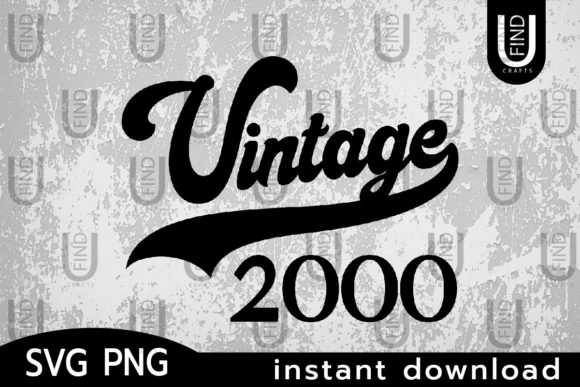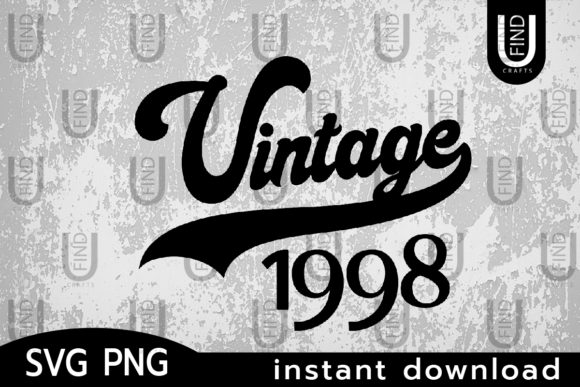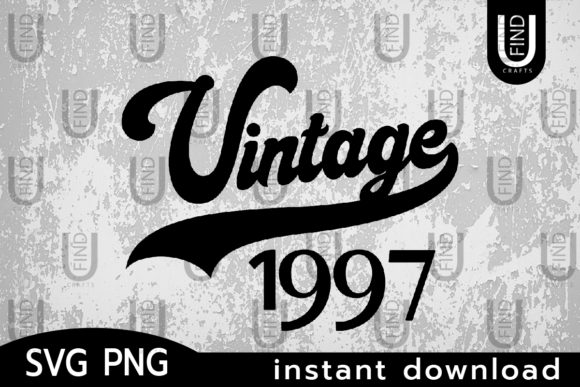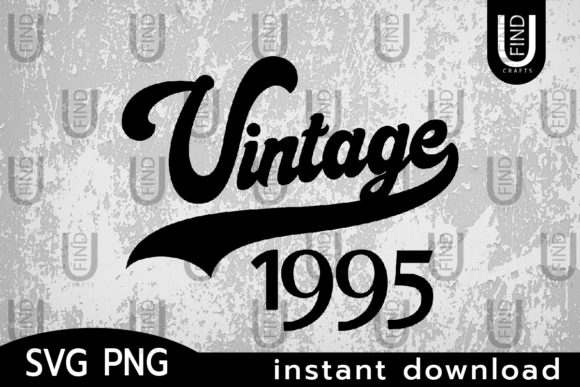
Vintage 1956 Embroidery Design
The Vintage 1956 embroidery design offers a nostalgic aesthetic that could work well in a range of handmade and commercial projects. As someone who regularly reviews and uses embroidery files, I wanted to test how this design performs in real-world applications, from custom apparel to personalized gifts.
First Impressions: A Retro Touch for Modern Projects
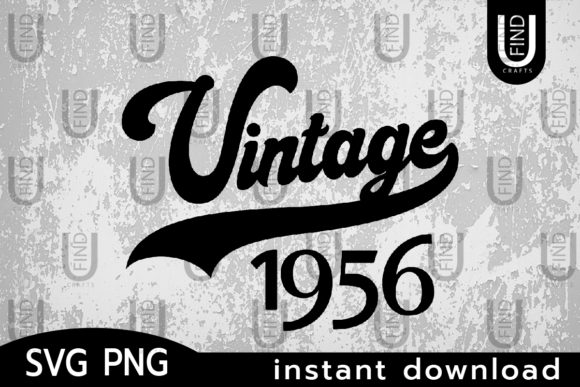
Vintage 1956 immediately evokes a sense of timelessness. The design features a classic, slightly weathered look with clean lines and subtle texture. It’s not overly detailed, but the balance between simplicity and character makes it versatile. The layout is straightforward, making it suitable for a variety of fabric types and project sizes.
This design feels like it belongs on a vintage-inspired tote bag, a baby onesie, or a holiday-themed pillow. Its retro vibe pairs well with both casual and more refined settings, depending on how it’s styled.
Real-World Use Cases: Where Does Vintage 1956 Shine?
For an embroidery designer, the key is understanding where a design will perform best. Vintage 1956 works well on larger items like sweatshirts, tote bags, and aprons. Its size allows for clear stitching without overcrowding the space. It also has potential as an embroidered patch or applique design, especially when paired with contrasting thread colors.
In a small business context, this could be a great addition to an Etsy shop offering personalized gifts or boutique merchandise. It’s ideal for customers looking for something unique but not too complicated. For example, a custom birthday shirt for a 1956-themed party would benefit from the design’s subtle charm.
Challenges and Considerations: When to Be Cautious
While Vintage 1956 is generally easy to work with, there are situations where it may not perform as well. On small hoop sizes, the design might feel cramped, especially if there are intricate details. Thin or stretchy fabrics could cause distortion, so using the right stabilizer is crucial.
On dark fabrics, the design may not stand out as much unless you use a bright thread color. Similarly, on textured or woven materials, the stitch density might need adjustment to ensure clarity. If you’re planning to use this on curved surfaces like caps, be prepared to adjust the hoop placement and possibly add extra stabilizer.
Stitching Performance: What to Expect
Vintage 1956 stitches cleanly with standard fill and satin stitches. The design doesn’t have dense areas that could cause puckering, which is a plus for most fabric types. However, if you're working on a project that requires frequent washing, make sure the stitches are secure and the stabilizer is appropriate for the material.
For applique designs, this could work well with a backing layer, but the overall complexity is low enough that it might not be the best choice for highly detailed projects. It’s better suited for simple, bold statements rather than intricate patterns.
Design Value and Customer Appeal
From a customer perspective, Vintage 1956 has a strong visual appeal. It’s recognizable, easy to understand, and carries a sense of nostalgia that many people find appealing. This can translate into higher engagement for an Etsy listing or craft fair booth, especially if marketed correctly.
As a handmade product, it adds value through its uniqueness and the effort involved in stitching. Customers often appreciate the personal touch, and this design could be a good fit for those looking to offer custom items without overcomplicating the process.
Practical Tips for Using Vintage 1956
- Test on scrap fabric first to see how the design looks and stitches on your specific machine and materials.
- Check thread color contrast against the fabric to ensure visibility and aesthetic appeal.
- Review stitch density to avoid issues with puckering or distortion.
- Confirm hoop size before starting a large project to avoid re-hooping or misalignment.
- Inspect small details to make sure they’re clear and consistent with the intended design.
- Test in black and white mockups to see how the design translates without color.
- Compare on light and dark backgrounds to determine the best thread choices.
- Use proper stabilizer for delicate or stretchy fabrics to maintain shape and clarity.
- Confirm licensing before selling finished items or digital products to avoid legal issues.
Final Thoughts: A Reliable Choice for Nostalgic Projects
Vintage 1956 is a solid embroidery design for those looking to add a retro flair to their work. It’s not perfect for every situation, but it excels in projects that benefit from a clean, classic look. Whether you're creating custom apparel, personalized gifts, or small shop merchandise, this design can be a valuable asset if used thoughtfully.
As with any embroidery file, understanding its strengths and limitations is key. By following practical tips and testing the design thoroughly, you can ensure that Vintage 1956 enhances your projects rather than complicates them.