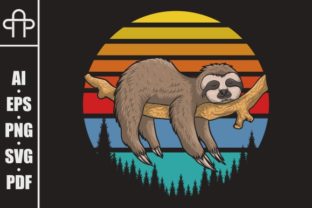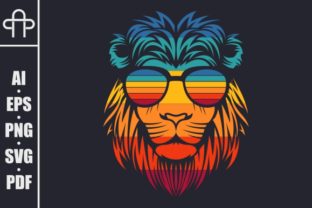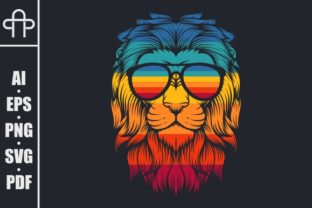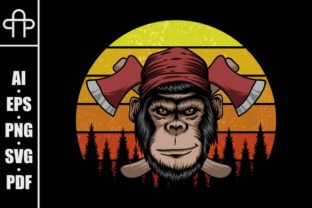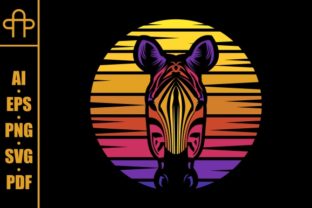
Zeebra Retro Illustration
As an embroidery designer and product reviewer, I’ve evaluated countless machine embroidery designs. Zeebra Retro Illustration stands out for its nostalgic charm and versatility. This design is ideal for custom apparel, handmade products, and commercial embroidery projects. Its retro aesthetic makes it a strong choice for personalized gifts, boutique merchandise, and craft business items.
The First Impression
Zeebra Retro Illustration immediately evokes a sense of vintage style. The design features clean lines, soft curves, and a whimsical layout that feels both modern and timeless. The visual personality is warm and inviting, making it perfect for baby items, holiday gifts, and home decor. The level of detail is just right—enough to add character without overwhelming the eye.
This illustration works well as an applique design or a satin stitch piece. It’s not overly complex, which means it can be adapted to various embroidery machines and hoop sizes. The composition suggests it was created with practicality in mind, making it a great fit for tote bag designs, sweatshirt embroidery, and embroidered patches.
Real-Life Embroidery Use Cases
Imagine you’re preparing a custom embroidered tote bag for a client who wants something unique and stylish. Zeebra Retro Illustration would look fantastic on a cotton canvas tote. The design’s simplicity allows it to stand out without being too busy. It also pairs well with a range of thread colors, giving you flexibility in matching brand colors or personal preferences.
For a baby item, like a onesie or a blanket, this design adds a playful touch. The retro theme could work well for a nursery decor project, such as a pillow cover or a tea towel. It’s also a solid choice for holiday embroidery, especially if you’re creating personalized gifts for Christmas, Easter, or birthdays.
If you’re an Etsy seller or a small shop owner, Zeebra Retro Illustration could be a valuable addition to your digital product library. It’s suitable for printable mockups, digital embroidery files, and craft fair products. The design’s clarity and structure make it easy to use in both personal and commercial projects.
Where to Be Cautious
While Zeebra Retro Illustration is versatile, there are a few areas where caution is needed. For instance, if you’re working with small hoop sizes, you might need to adjust the design or split it into sections. The design’s details may not translate well on textured fabrics or thin, stretchy materials. In such cases, a stabilizer is essential to prevent puckering or distortion.
On dark fabric, the design may require a contrasting thread color to ensure visibility. If you’re planning to use it on a layered garment or a curved surface like a cap, you’ll want to test it first. Tiny lettering or intricate corners could be challenging, so it’s best to review the stitch density and make any necessary adjustments before finalizing the project.
For commercial embroidery projects, always confirm the licensing terms before selling finished items or digital products. Even though the file includes AI, EPS, PNG, SVG, and PDF formats, specific usage rights may vary depending on the source.
Impact on Visual Appeal and Customer Trust
Zeebra Retro Illustration enhances the visual appeal of any project it’s used on. Its clean layout and retro feel make it instantly recognizable, which is great for branding and marketing. When customers see a well-executed embroidery project, they’re more likely to trust the quality of your work and consider purchasing from your shop again.
As a handmade product or personalized gift, this design adds value and professionalism. It’s perfect for creating a cohesive look across multiple items, such as a set of aprons, caps, and pillow covers. The consistency helps build brand recognition and customer loyalty.
From an engagement perspective, Zeebra Retro Illustration can attract attention at craft fairs, online marketplaces, and social media platforms. Its nostalgic vibe resonates with many buyers, making it a strong choice for holiday or themed collections.
Practical Designer Notes
Before using Zeebra Retro Illustration, I recommend testing it on scrap fabric. This helps you assess how the design looks with different thread colors and fabric textures. Check the stitch density to ensure it’s appropriate for your project. If the design is too dense, it may cause puckering or affect the fabric’s integrity.
Confirm the hoop size required for your embroidery machine. Some designs may need to be split into smaller sections for optimal results. Inspect the small details closely, especially if you’re planning to use it on a product that will be washed frequently.
Test the design in black and white mockups to see how it appears on different backgrounds. Compare it on light and dark fabrics to determine the best thread color match. Always use the proper stabilizer for your chosen fabric type, and make sure the design is suitable for both personal and commercial use.
Lastly, verify the licensing terms before selling finished items or digital products. Even though the file formats are provided, specific usage rights may apply depending on the source.