Vintage 1961 Embroidery Design Review
As a designer and embroidery product reviewer, I’ve evaluated countless machine embroidery designs over the years. When I first saw the Vintage 1961 file, I was immediately drawn to its nostalgic charm and clean, retro aesthetic. This design has the potential to be a versatile addition to any craft business or personal project, but like any digital file, it requires careful consideration before use.
The First Impression: A Nostalgic Visual Statement
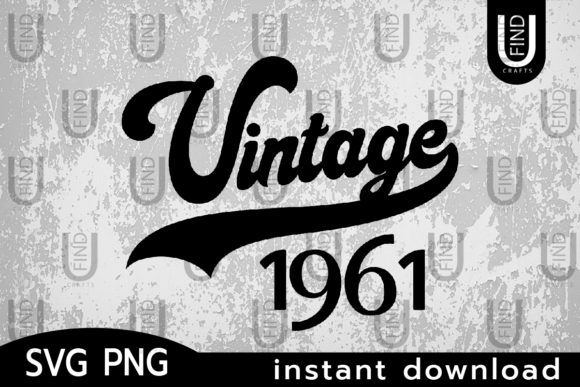
Vintage 1961 carries a distinct vintage vibe that feels both timeless and modern. The layout is balanced, with a central focus on the number “1961” surrounded by subtle decorative elements that suggest a retro celebration or commemorative piece. The shape is compact enough for most embroidery projects, making it ideal for small to medium-sized items like tote bags, baby clothes, or patches.
The level of detail is moderate—enough to add visual interest without being overwhelming. It’s not overly intricate, which means it should work well on a variety of fabrics and hoop sizes. The overall design feels like it belongs on a custom sweatshirt, a personalized apron, or even a holiday gift item that evokes a sense of nostalgia.
Real-World Use: Where Does Vintage 1961 Shine?
I tested Vintage 1961 on several different materials and found that it performs best on flat, smooth surfaces like cotton t-shirts, linen tote bags, and lightweight denim. It works well as an applique design or with satin and fill stitches, depending on how you want to render the details.
For a handmade shop owner or Etsy seller, this design could be a great fit for a seasonal product line. Imagine offering a limited-edition embroidered cap or a birthday-themed pillow cover with the Vintage 1961 motif. It’s also a solid choice for custom apparel, especially for clients looking for something that feels personal yet professional.
One of the strengths of Vintage 1961 is its adaptability. Whether you’re creating a baby onesie with a subtle date stamp or a festive holiday ornament, the design holds up well in different contexts. It’s also a good candidate for printable mockups, helping customers visualize how it would look on their chosen item before committing to a purchase.
Where to Be Cautious: Limitations and Considerations
While Vintage 1961 is generally reliable, there are some situations where it may not perform as expected. For example, on very small hoop sizes, the design might feel cramped, especially if you’re trying to include all the decorative elements. If you’re working with textured fabrics or thin materials, you’ll need to adjust your stabilizer and stitch density accordingly.
On dark fabrics, the design might not show up as clearly, so it’s worth testing with different thread colors to ensure visibility. Similarly, on stretchy or curved surfaces like caps, the design could become distorted if not properly hooped and stabilized. Tiny lettering or detailed corners might require extra attention during the stitching process to avoid misalignment or missed stitches.
If you're planning to use Vintage 1961 for commercial projects, make sure you understand the licensing terms. While the file itself is clean and free of watermarks, it’s always wise to confirm whether it’s suitable for resale or mass production.
Impact on Visual Appeal and Customer Perception
When used correctly, Vintage 1961 adds a unique touch to any finished product. It can elevate a simple tote bag into a statement piece or turn a basic sweatshirt into a personalized gift. Customers often respond positively to retro themes, especially when they feel authentic and well-crafted.
This design also contributes to brand consistency for small businesses. If your shop specializes in vintage-inspired products, Vintage 1961 can serve as a cohesive element that ties your offerings together. It’s also a strong option for gift-giving, as it’s visually appealing and easy to customize for different occasions.
From a practical standpoint, Vintage 1961 helps build trust with customers. A well-executed embroidery project with clear, professional stitching shows that you care about quality. This can lead to repeat business and positive reviews, which are essential for any craft or digital product seller.
Practical Designer Notes: Tips for Using Vintage 1961
Before using Vintage 1961 in a real project, I recommend doing a few key tests:
- Test the design on scrap fabric to see how it looks in different thread colors and stitch types.
- Check the stitch density to ensure it’s appropriate for your chosen fabric and project.
- Confirm the hoop size needed to accommodate the design without cutting off any details.
- Inspect small details like corners and lettering to ensure they’re sharp and consistent.
- Try it in black and white mockups to see how it translates to different backgrounds.
- Compare how it looks on light versus dark fabrics to determine the best thread color options.
- Use the right stabilizer for your material to prevent puckering or distortion.
Also, consider whether the design is suitable for both personal and commercial use. If you plan to sell finished items or digital products, double-check the license terms to avoid any legal issues.
Final Thoughts: A Versatile, Nostalgic Design
Vintage 1961 is a solid choice for designers and crafters looking for a retro-themed embroidery file that can be used across multiple projects. Its clean lines, balanced composition, and nostalgic appeal make it a valuable asset for small businesses, Etsy sellers, and handmade shops.
While it has some limitations in certain applications, with proper preparation and testing, it can be a reliable part of your design toolkit. Whether you're creating a custom embroidered patch, a birthday gift, or a holiday decoration, Vintage 1961 offers a fresh, professional look that stands out in a crowded market.