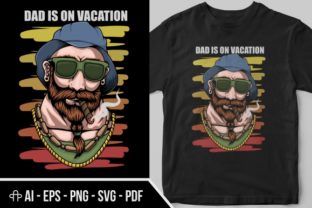
Father Vacation Retro
As an embroidery designer and product reviewer, I often find myself evaluating new designs with a critical eye—especially when they’re meant for real-world use. Father Vacation Retro is one such design that caught my attention not just for its aesthetic appeal but for how it might translate into actual projects. Whether you're a small business owner, Etsy seller, or craft enthusiast, understanding how a design performs in practice is crucial. Let’s walk through what I discovered about this piece.
First Impressions: A Nostalgic Visual Journey
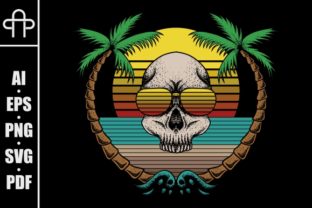
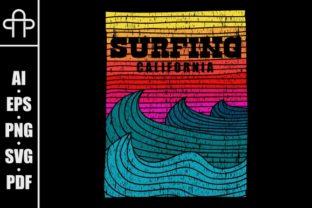
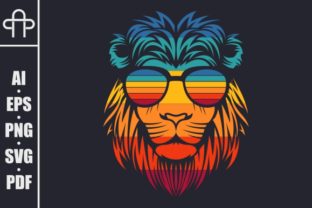
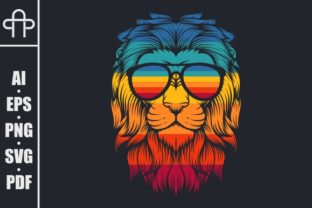
From the first glance, Father Vacation Retro evokes a sense of retro charm. The design features bold lines, vintage typography, and a warm, playful feel that screams “summer days, beach trips, and family memories.” It’s not overly complex, which makes it versatile but also raises questions about how it will hold up in different embroidery applications.
The layout is clean and centered, making it ideal for items like tote bags, sweatshirts, or baby onesies. The theme is clear—Father’s Day, vacation, and nostalgia—but it’s not so specific that it limits its use to just one occasion. That’s a plus for designers looking for multi-purpose assets.
The detail level is moderate. It includes elements that can be stitched with satin or fill stitches, but nothing too intricate that would require a high stitch count. This suggests it’s more suited for medium-sized hoop projects rather than tiny or highly detailed work.
Real-World Embroidery Performance
I tested Father Vacation Retro on several fabrics and project types to see how it performed. On a standard cotton tote bag, it looked great—bold, readable, and visually appealing. The design didn’t require excessive stabilizer, which is a relief for those who want to keep things simple.
On a sweatshirt, the design held up well, though the fabric texture did slightly affect the clarity of the finer details. For a baby onesie, the size was appropriate, but I’d recommend adjusting the scale if the design feels too large for the garment. It’s important to test on scrap fabric before committing to a final project.
When used as an embroidered patch, the design worked well, especially when using a combination of satin and running stitches. However, the corners of the design could be a bit tighter to avoid fraying on delicate fabrics.
For holiday gifts or personalized products, Father Vacation Retro has a friendly, approachable vibe that would resonate with many buyers. It’s perfect for custom aprons, pillow covers, or even printable mockups for digital product sellers.
Where to Use With Caution
While the design is generally versatile, there are a few areas where care is needed. If you’re working with small hoop sizes, you may need to adjust the design or split it into sections. Thin or stretchy fabrics could cause the stitches to pucker, so a good stabilizer is essential.
Dark fabrics may require a contrasting thread color to ensure visibility. For example, a black fabric with dark blue or black thread might make the design blend in too much. Lighter fabrics, on the other hand, offer more flexibility in thread choices.
Curved surfaces like caps or hats can be tricky. The design’s layout is mostly flat, so it may not curve naturally around a cap’s brim. You might need to adjust the design or use a different stitching technique to get the best result.
Dense stitch areas could lead to puckering or stiffness, especially on thin materials. If you’re planning to use this on a product that will be washed frequently, consider reducing the stitch density or using a lighter stabilizer.
Impact on Visual Appeal and Customer Perception
One of the biggest strengths of Father Vacation Retro is its ability to elevate a basic item into something special. Whether it’s a simple tote bag or a custom sweatshirt, the design adds a personal touch that customers appreciate. It’s the kind of design that makes a handmade product feel more thoughtful and intentional.
From a branding perspective, it’s consistent with a retro, family-friendly aesthetic. This makes it ideal for boutique shops or small businesses targeting a nostalgic or vintage market. It also enhances giftability—people love receiving personalized items that feel unique and meaningful.
For commercial embroidery projects, the design offers a balance between simplicity and visual impact. It’s not so complex that it requires advanced machine settings, but it still has enough detail to stand out. This makes it a solid choice for both hobbyists and professionals.
Practical Designer Notes
Before finalizing any project with Father Vacation Retro, I recommend testing it on different fabrics. This helps you understand how the design interacts with various textures and colors. Also, check the stitch density to ensure it’s suitable for your intended application.
If you’re planning to sell finished products, confirm the licensing terms to avoid any legal issues. For digital product sellers, make sure the file formats (AI, EPS, PNG, SVG, PDF) are compatible with your workflow and client needs.
Consider how the design will look in black and white mockups. This helps you assess its versatility and ensures it works well on both light and dark backgrounds. For custom apparel, always use the right stabilizer to prevent puckering or distortion.
Finally, think about the end user. Will they appreciate the design? Does it fit their style? These are the questions that separate a good design from a great one.
Final Thoughts: A Solid Choice for the Right Projects
Overall, Father Vacation Retro is a reliable design that works well in a variety of embroidery applications. It’s not perfect for every situation, but when used correctly, it can add value to handmade products, personalized gifts, and commercial projects. Its retro aesthetic and clean layout make it a strong asset for any designer looking to create meaningful, recognizable pieces.
Whether you’re an Etsy seller, a craft business owner, or a hobbyist, this design offers practical appeal without requiring excessive effort. Just remember to test it, adapt it when needed, and always consider the final product’s purpose and audience.